
My Bee Yards Got Hit With Snow – Here’s What I Found

It doesn’t happen often, but South Carolina just got hit with a “Snow Blast!” Today I’m heading out to the Honey Top Bees yard to see how the colonies are handling this rare winter weather.
I’m used to our mild Southern winters, but this snow brings back memories of beekeeping with my dad in Vermont. In this video, I’m checking Hive 1 through Hive 23, clearing out some of those snow-blocked entrances and assessing the draft.
The Big Question: To my friends up north: what’s your go-to move? Do you let the snow provide insulation, or do you keep those entrances clear for ventilation? Let me know your thoughts in the comments!
Preparing hives for the big ice storm
#beekeeping #winterbeekeeping #hiveinspection #honeybees #deadout #apiary #honeytopbees #winterbeekeeping
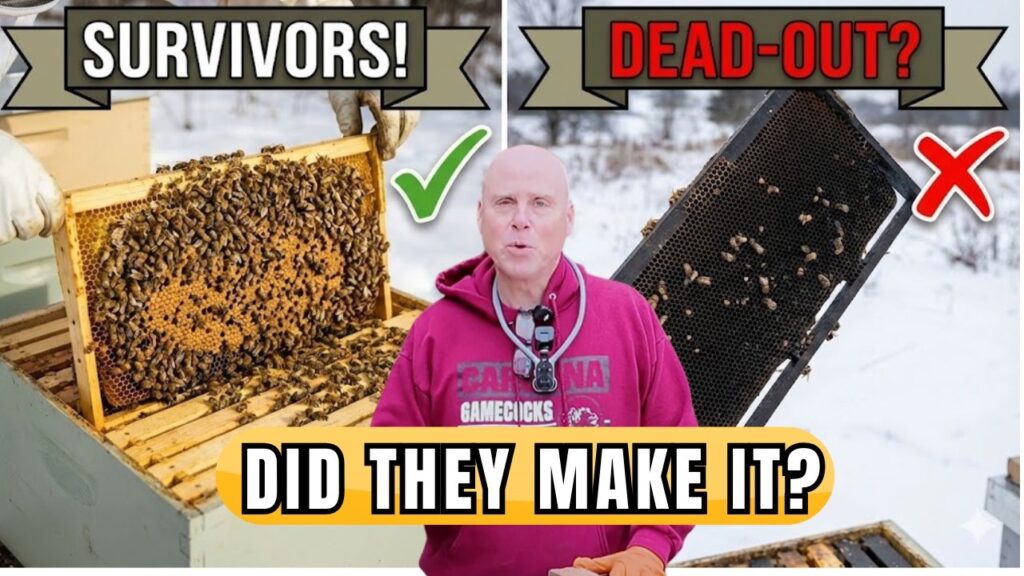
Winter is the “make or break” moment for every apiary. In today’s video, we are heading into the yard for a transparent look at how our colonies are faring. Beekeeping isn’t always about the honey—sometimes it’s about the hard lessons learned from a winter “dead-out.”
We’ll walk through several hives to show you the difference between a thriving cluster and a colony that didn’t make it. We’ll perform a hive autopsy to look for signs of starvation and moisture issues, and we’ll also highlight the “gold standard” of winter survival.
In this video, we cover:
Queen Status & Cluster Size: How to identify a healthy, heat-producing cluster without chilling the bees.
Brood Patterns: Looking for the first signs of spring buildup.
Food Store Assessment: Checking honey and pollen levels to determine if emergency feeding is required.
The “Dead-Out” Analysis: Analyzing a loss to prevent it from happening next year.
Action Taken: Adding sugar fondant patties and adjusting moisture management.
Honey Fraud Is Worse Than You Think
Great Honey Heist: Why Your “Pure” Honey Might Be Rice Syrup
:
Is the honey in your pantry actually just flavored rice syrup? 🍯
🚫 Honey is now the third most adulterated food product in the world, and the scale of the fraud is shocking. In this video, we talk about the “Honey Laundering” supply chain, explain why 70-80% of U.S. honey is imported, and break down the chemistry fraudsters use to trick the lab tests.
We dive deep into the difference between C3 and C4 sugars, why “Packed in the USA” doesn’t mean what you think it does, and how this billion-dollar fraud is crushing American beekeepers.
📌 KEY CONCEPTS EXPLAINED:
• The Math Problem: Americans consume roughly 600 million pounds of honey a year, but we only produce about 134 million pounds domestically. This massive deficit is filled by imports—primarily from India, Vietnam, and Argentina.
• C4 vs. C3 Sugars: Old-school fraud used corn syrup (a C4 plant). Regulators catch this easily with Carbon Isotope testing. Modern fraudsters have switched to Rice and Beet syrups (C3 plants), which mimic the chemical fingerprint of natural honey and evade standard FDA testing.
• Honey Laundering: To avoid tariffs, Chinese honey is often shipped to third-party countries (like India or Vietnam), re-labeled to hide its origin, and then shipped to the US. This is known as transshipment.
• The Regulatory Gap: Unlike many foods, the FDA has no mandatory federal “Standard of Identity” for honey, making prosecution difficult.
📊 SOURCES & DATA:
• FDA Import Alert on Honey Adulteration
• USDA Sugar and Sweetener Outlook
• NMR vs. SCIRA testing methodologies
• Investigation into “Operation Honeygate”
⚠️ DISCLAIMER: This video is for educational purposes only. The information presented is based on public government reports, scientific studies, and market data.
#HoneyFraud #FoodFraud #Beekeeping #SaveTheBees #ConsumerProtection #Chemistry #FoodScience #HoneyLaundering
Ray Ultimate Beginners Beekeeping Video Course
My descriptive promotional Video for my all new video based beekeeping course.
Are you thinking about starting beekeeping? Don’t let a bad first year ruin your experience! This video introduces a comprehensive beekeeping course for beginners, featuring over 40 lessons to guide you. Ray, a certified master bee keeper, aims to help viewers have a successful and sweet first year with this essential beekeeping training, covering all the beekeeping basics you need to know.
Queen Bee Longevity: Why Buying Bees is a Smart Move
Buying Bees vs. Catching a Swarm: What’s Best for Beginners?
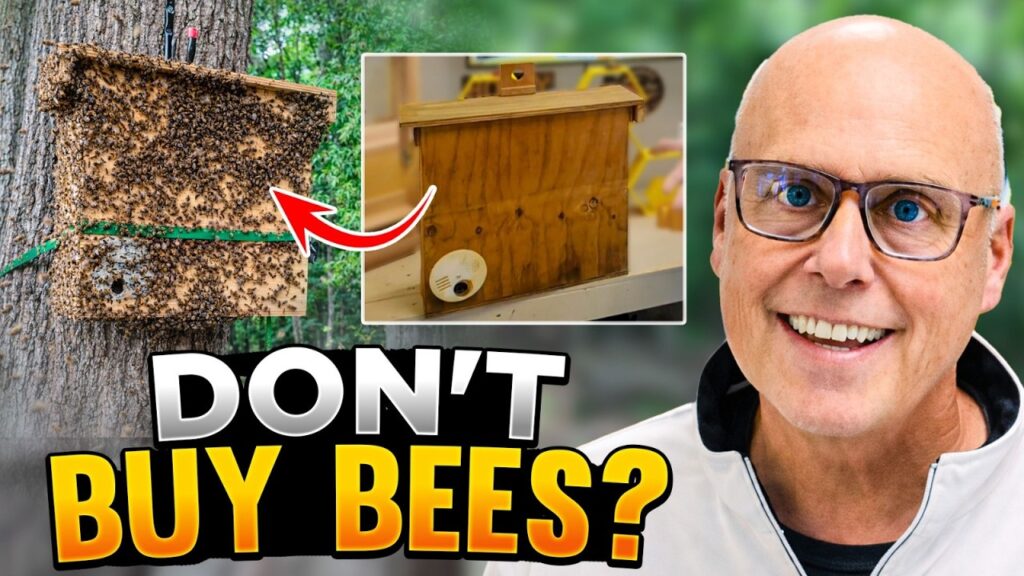
Thinking about starting your beekeeping journey with a “free” swarm? Before you put up that swarm trap, there are a few things every beginner needs to know. In this video, Master Beekeeper Ray Hewitt explains why predictability might be more valuable than “free” when it comes to your first hive.
While catching a swarm sounds romantic and cost-effective, it comes with hidden challenges like uncertain genetics, aging queens, and potential diseases. Ray breaks down the benefits of starting with a nucleus (nuc) or a package and why an established hive gives you a massive head start on the nectar flow.
—-=-=-=-=-=-
The 3-Mile Rule: Why location is everything for swarm traps.
Genetics & Temperament: Why “local” doesn’t always mean “gentle.”
The Queen Factor: How starting with a young, mated queen changes everything.
The Nectar Flow: Why a swarm might leave you behind during the peak season.
The Abscond Factor: Why swarms don’t always stay where you put them.
0:00 – The “Free Bee” Myth
1:25 – How Swarm Traps Actually Work 3:55 – Swarm Genetics vs. Bred Bees
5:00 – Why the Age of Your Queen Matters
6:30 – Are Feral Bees Actually Stronger? 9
:00 – The Advantage of a Bee Nuc
11:58 – The “Abscond Factor”
13:10 – When You SHOULD Catch a Swarm
If you found this helpful, please Like and Subscribe for more beekeeping tips!
#beekeepingforbeginners #BeeSwarm #HoneyBees #BeekeepingTips #BackyardBeekeeping #BeeNuc #HoneyTopBees
My Beekeeper’s New Year Resolutions | Improvement Over Perfection
Happy New Year, beekeepers! 🐝 Whether you are a beginner or a seasoned pro, the start of a new season is the perfect time to set goals for a healthier, more productive apiary. In this video, Ray—a Certified Master Beekeeper—shares his top New Year’s resolutions for beekeepers to help you improve your skills and keep your bees thriving.
From mastering Varroa mite management to the struggle of staying organized in the bee yard, we’re diving into the real-world challenges every beekeeper faces.
In this video, we discuss:
-Record Keeping: Why tracking your hive progress is the #1 way to become a better beekeeper.
-Varroa Mite Control: Strategies for staying ahead of pests before they become an emergency.
-Proactive Requeening: The importance of young, healthy genetics in your colony.
-Equipment Organization: Tips to keep your bee shop from becoming a mess during the busy season.
-The “Gimmick” Trap: Why you should focus on the basics instead of every new beekeeping gadget.
Ready to take your beekeeping to the next level? Join Ray’s Beginner Video Course (3rd Edition) for a step-by-step roadmap to your first successful year: 👉 https://www.honeytopbees.com/rays-beginner-video-course/
About Ray: Ray Hewitt is a University of Florida Certified Master Beekeeper with over 50 years of experience in the hive. He is dedicated to helping beekeepers succeed through practical, science-based education.
What are YOUR beekeeping resolutions for 2026? Let us know in the comments below! 👇
#Beekeeping #HoneytopBees #MasterBeekeeper #BeeCare #BeekeepingTips #SaveTheBees #VarroaMites #NewYearsResolution
Starting Beekeeping? Rays Critical Blueprint of 10 Need to Knows
Welcome, brand new beekeepers! If you’re starting beekeeping for the first time and just got your first hive, this video is your essential beekeeping guide. I cover the 10 CRITICAL steps and beginner beekeeping tips you need to know before you install your bees. Stop guessing and start succeeding with this Beekeeping 101 blueprint!
10 Essential Tips for Starting Beekeeping:
Tip #1: Learn Local [01:19] – The most important tip: beekeeping is hyper-local [01:40], so learn about the challenges in your specific environment (e.g., Minnesota vs. South Carolina [01:25]). Join a local club to find a mentor.
Tip #2: Check Local Laws [03:39] – Check zoning laws, rules, and regulations on keeping bees, especially regarding hive setbacks and maximum hive counts.
Tip #3: Start with 2 Hives [04:58] – Starting with two hives gives you a comparison point for hive health and allows you to share resources (brood, honey) if one hive is struggling.
Tip #4: Order Bees in Winter [06:04] – Order your bees (nucs or packages) in January/February, as there is a limited supply each year.
Tip #5: Hive Location & Sun [07:00] – Set up your hives in full sunlight to wake the bees up and reduce pests. Choose your location wisely, as you can’t easily move them later [08:29].
Tip #6: Buy the Right Equipment [08:34] – Start with the basics: a Langstroth hive kit, a half veil, a hive tool, a bee brush, and a smoker.
Tip #7: Feed Your Bees [12:07] – Use a feeder to stimulate comb building (furnishing the house) in the first year, especially during spring buildup and summer/fall dearths.
Tip #8: No Honey in Year 1 [13:42] – Shift your mindset! Focus on building a strong colony with enough reserves for winter; your second year will be your honey-producing year.
Tip #9: Varroa Mite Plan [15:09] – Varroa Mites are the #1 reason for colony collapse in America. You must have a plan for testing and treating throughout the year.
Tip #10: Inspect Regularly [16:47] – Inspecting your hives regularly (but not too often) is necessary to learn about colony function and prevent major problems like swarming or queen loss.
🐝RESOURCES:
Ray Video Beekeeping Class: I have a full 40-lesson beekeeping class available on my website: www.honeytopbees.com
The Truth About Becoming a Master Beekeeper

All About Master Beekeeper Programs
Ray reflects on his journey after completing his Master Beekeeper certification through the UF Program. This multi-year process helps beekeepers advance their knowledge in `beekeeping`. Ray shares what it means to earn this title and offers valuable tips for others interested in the field.
Bees Go Wild for This Snack After the Cold!
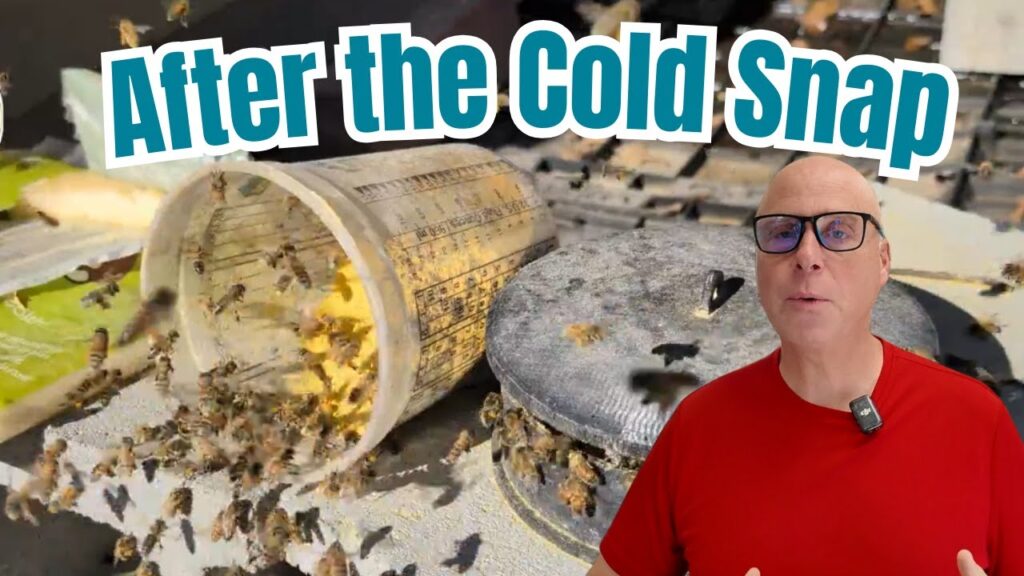
There’s nothing quite like seeing your bees active after a cold snap, especially when they’re enjoying a “pollen substitute”. This short video captures the satisfying sight of “honey bee” activity as they emerge from the hive and gather resources on a warm South Carolina day. It’s a great reminder of the importance of “feeding bees” and proper “winter feeding” strategies for a healthy “apiary” and successful “beekeeping” season.