Dealing with a “hot” or highly defensive hive can be one of the most challenging experiences in the apiary. Instead of struggling with mean bees every time you do an inspection, you can completely reset their temperament through careful splitting and requeening.
In this video, we break down a defensive colony into smaller, manageable nucs and introduce new queens with gentle genetics to completely turn the hive’s behavior around.
What you will learn in this video:
How to identify when a colony’s defensive behavior requires intervention.
The step-by-step process of breaking down a large, aggressive hive safely.
How to successfully introduce a new queen to a freshly split colony.
Why changing genetics is the ultimate solution for a calm and productive apiary.
🍯 Learn More & Shop Honey Top Bees:
Take Rays Beekeeping Course Here: https://www.honeytopbees.com/rays-beginner-video-course/
Shop our store: www.honeytopbees.com
Interested in the Vapor smoker shown here? – Use promo code: Ray20 for a for 20% discount!! – Go to https://apisolis.us/shop/?ref=413

August can be one of the most important months in the beekeeping year. A colony may look strong on the outside while problems with food, Varroa mites, queen performance, or population balance are already setting the stage for fall and winter losses.
In this video, I walk through 5 important August beekeeping checks and management decisions that can make a real difference in how your colonies enter the fall.
We’ll cover things like:
Recognizing and managing the summer dearth
Watching food stores before colonies get into trouble
Checking Varroa mite levels and making timely treatment decisions
Evaluating colony strength and queen performance
Preparing now for the bees that will carry the colony through winter
The key idea is simple: winter preparation does not begin when cold weather arrives. It begins now.
Whether you’re a new beekeeper or managing multiple colonies, August is the time to look closely at what your bees are telling you and make adjustments before small problems become major ones.
If this video helps, consider subscribing to Honey Top Bees for practical beekeeping education, seasonal management tips, Varroa control information, queen management, and more.
#Beekeeping #HoneyBees #AugustBeekeeping #VarroaMites #WinterBeekeeping #BeekeepingTips
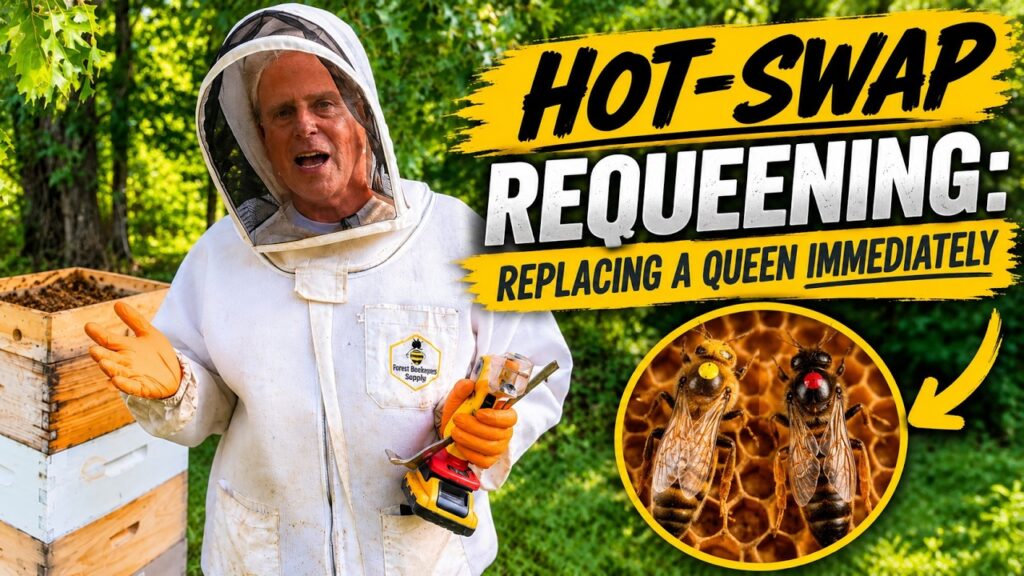
Learn a queen replacement hot swap technique to introduce a new queen into your hive without waiting days. See the exact steps.
Performing a beekeeper hot swap requires precision to ensure the colony accepts the new queen immediately. This demonstration follows the process of inspecting frames, removing the old queen, and successfully introducing a new queen on the same day. Whether you are managing seasonal splits or correcting a failing hive, this method offers a streamlined approach to queen introduction.
We document the full procedure, including frame inspection and component placement, to determine the success rate of this rapid changeover. This tutorial is designed for beekeepers looking to minimize downtime during queen replacement and improve hive stability. By following these hive inspection steps, you can assess if this direct introduction method works for your apiary.
Subscribe for weekly beekeeping tips and maintenance breakdowns. Which queen introduction method has worked best for your hives?
Subscribe for weekly beekeeping tips and maintenance breakdowns.
🐝 Take Rays Beekeeping Course Here: https://www.honeytopbees.com/rays-beginner-video-course/
🍯 Shop my beekeeping supplies and products at www.honeytopbees.com
💨 Interested in a Vapor smoker – Use promo code: Ray20 for a for 20% discount!! – Go to https://apisolis.us/shop/?ref=413
5 Critical August Beekeeping Tips for Winter Survival
We’ll discuss:
• Knowing your Varroa mite count• Evaluating queen performance• Measuring food stores and deciding when to feed• Preventing robbing• Making the difficult decisions that cannot wait until fall I’ll also answer your beekeeping questions live. Whether you’re a new beekeeper or have years of experience, I hope you’ll join the conversation.
👉 Set your reminder here:
What is your biggest August beekeeping concern? Add it in the comments so I can address it during the live!

FREE DOWNLOAD: Varroa Mite Treatment Quick Guide
https://www.honeytopbees.com/varroa-mites-treatment-guide-download/
Which Varroa mite treatment should you use in your honey bee colonies?
In this video, I compare six commonly used Varroa treatments:
✅ Apivar
✅ Formic Pro
✅ Apiguard
✅ Oxalic acid vaporization
✅ VarroxSan
✅ Norroa
We’ll look at the important differences between these treatments, including:
Temperature restrictions
Treatment duration
Proper dosage
Whether honey supers can remain on
When each treatment works best
Important advantages and disadvantages
Common mistakes beekeepers should avoid
There is no single Varroa treatment that is best for every colony or every season. The right choice depends on your mite count, brood conditions, weather, honey-production schedule, colony strength, and the time of year.
Always perform mite testing before and after treatment, and follow the current product label exactly.
Learn More from Ray
🎓 Ray’s Beekeeping Video Courses
https://www.honeytopbees.com/rays-video-courses/
🐝 Shop Honey Top Bees Products
https://www.honeytopbees.com/shop/
🌐 Honey Top Bees Website
https://www.honeytopbees.com/
Ray Hewitt is a University of Florida IFAS Certified Master Beekeeper and the owner of Honey Top Bees in Chapin, South Carolina.
Subscribe for practical beekeeping education, colony-management tips, queen-rearing information, Varroa control strategies, and real-world lessons from the bee yard.
#VarroaMites #VarroaTreatment #Beekeeping #HoneyBees #BeekeepingTips #Apivar #FormicPro #Apiguard #OxalicAcid #VarroxSan #Norroa

Learn the exact sugar water for bees recipe to mix a perfect quart for your hives. Get the right ratios for optimal bee health.
Providing supplemental feed is a critical task for any apiary. In this video, we break down how to prepare sugar water for bees, explaining the precise amounts of sugar and water required to reach specific concentrations. Whether you are a new hobbyist or managing multiple colonies, understanding the correct mix is essential for successful colony maintenance.
What we cover in this video:
Comparing Nectar to Syrup: How different natural nectar types stack up against standard beekeeper syrup so you can choose the best consistency for your specific situation.
Exact Ratios: A detailed breakdown and comparative table outlining various bee syrup ratio options.
Mixing Guide: Quick and easy ways to ensure your sugar fully dissolves for a quick reference during future mixing sessions.
Seasonal Feeding: Established guidelines to ensure your bees receive consistent and appropriate nourishment throughout the season.
Subscribe for weekly beekeeping tutorials, and comment below if you want to see a breakdown on winter feeding strategies next!
Take Rays Beekeeping Course Here: https://www.honeytopbees.com/rays-beginner-video-course/
Shop my store at: www.honeytopbees.com
Interested in the Vapor smoker shown here? – Use promo code: Ray20 for a for 20% discount!! – Go to https://apisolis.us/shop/?ref=413
Welcome back to the apiary! In today’s video, we are walking through one of the safest and most successful ways to requeen a colony: using a nucleus colony (nuc). Requeening can be a delicate process, but as a Master Beekeeper, I’ve found that introducing a queen via a nuc dramatically increases acceptance rates and gives your weak or queenless hive an immediate boost of brood and nurse bees.
Here is exactly what we cover in this hive management tutorial:
Identifying the Need: How to confirm your hive is truly queenless or failing before introducing a new queen.
Preparation: Setting up your nuc and preparing the receiving hive for the merge.
The Newspaper Method: Step-by-step instructions on combining the nuc with your full-size hive to ensure a peaceful transition and high queen acceptance.
Follow-up: When and how to check for success without disturbing the newly accepted queen.
🍯 Take Rays Beekeeping Course Here: https://www.honeytopbees.com/rays-beginner-video-course/
🛒 Shop our beekeeping supplies at: www.honeytopbees.com
💨 Interested in the Vapor smoker shown here?
Use promo code: Ray20 for a for 20% discount!!
Go to https://apisolis.us/shop/?ref=413
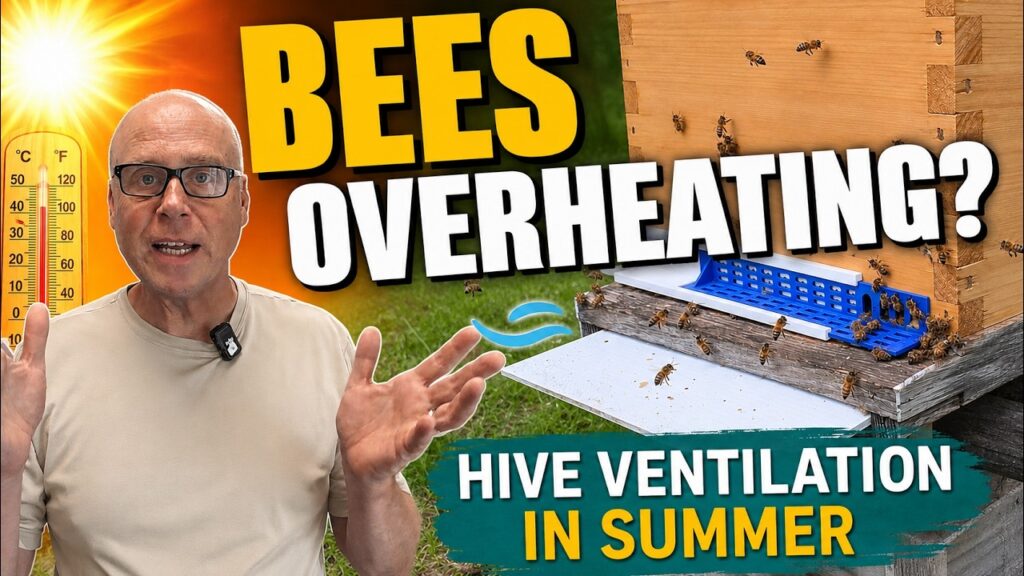
Master proper beehive ventilation to keep your colonies safe during extreme summer heat. Learn how to prevent overheating now.
Maintaining the right internal temperature is critical when outdoor conditions reach 95 to 100 degrees Fahrenheit. This guide explains the mechanics of airflow, showing you exactly how hot air exits the top entrance while cool air is drawn in through the bottom. By optimizing this cycle, you can ensure your bees remain healthy and productive even during the peak of summer.
As a certified master beekeeper, I break down the practical steps for managing hive temperature effectively. Proper beehive ventilation is one of the most important aspects of hot weather beekeeping, yet it is often misunderstood. By mastering this simple airflow system, you create a stable environment that supports colony health throughout the hottest months of the year.
Subscribe for weekly beekeeping tips and maintenance breakdowns, and let me know in the comments what specific hive challenges you are facing this season.
🐝 READY TO MASTER BEEKEEPING?
Take Rays Beekeeping Course Here: https://www.honeytopbees.com/rays-beginner-video-course/
🛒 VISIT OUR STORE FOR QUALITY GEAR:
Explore our tools, apparel, and apiary products at: www.honeytopbees.com
💨 Interested in the Vapor smoker shown here?
🔥 Use promo code Ray20 for a 20% discount!!
👉 Go to https://apisolis.us/shop/?ref=413
If you found this video helpful, please give it a 👍 LIKE, leave a comment with your favorite ventilation method, and SUBSCRIBE for more master beekeeping tips!
#Beekeeping #BeehiveVentilation #HoneyTopBees #MasterBeekeeper #BeekeepingTips #Apiculture #bearding
The summer dearth is one of the most challenging times of the year for honeybees and beekeepers alike. When the spring blooms fade and the intense heat sets in, nectar sources dry up completely. In this video, we break down exactly what a summer dearth is, how to identify it in your apiary, and the crucial steps you need to take to keep your colonies fed, healthy, and safe from robbing bees.
Understanding the summer dearth timeline
Signs your hive is running low on food stores
How and what to feed during a nectar shortage
Preventing deadly hive robbing events
If you want to ensure your bees make it through the brutal summer heat and are strong enough for the fall flow, this guide is for you!
💡 RESOURCES & LINKS MENTIONED:
🐝 Ready to master beekeeping?
Take Rays Beekeeping Course Here: https://www.honeytopbees.com/rays-beginner-video-course/
🛒 Visit our store for your beekeeping supplies:
www.honeytopbees.com
💨 Interested in the Vapor smoker shown here?
Use promo code: Ray20 for a 20% discount!!
Go to https://apisolis.us/shop/?ref=413
Avoid common beekeeping mistakes by fixing these 13 critical errors. Learn how to correctly manage hive space and spot queen cells early.
This video continues our series on essential beekeeping mistakes, focusing on specific oversights that often lead to colony loss. Whether you are struggling to identify queen cells or unsure how to properly monitor varroa mites, this guide provides the clarity needed to keep your hives healthy. We address the reality of hive management and why relying on generic online advice can often steer new keepers in the wrong direction.
Many beginners enter the hobby expecting an easy experience, only to face significant challenges with space management and pest control. By reviewing points 13 through 25 of our list, you will gain a clearer perspective on the maintenance required for a successful apiary. These beekeeper tips are designed to help you recognize warning signs before they become unmanageable problems.
Subscribe for weekly beekeeping breakdowns, and comment below with the biggest challenge you have faced in your own apiary this season.