The Cost of Beekeeping Will SHOCK You 🐝💰
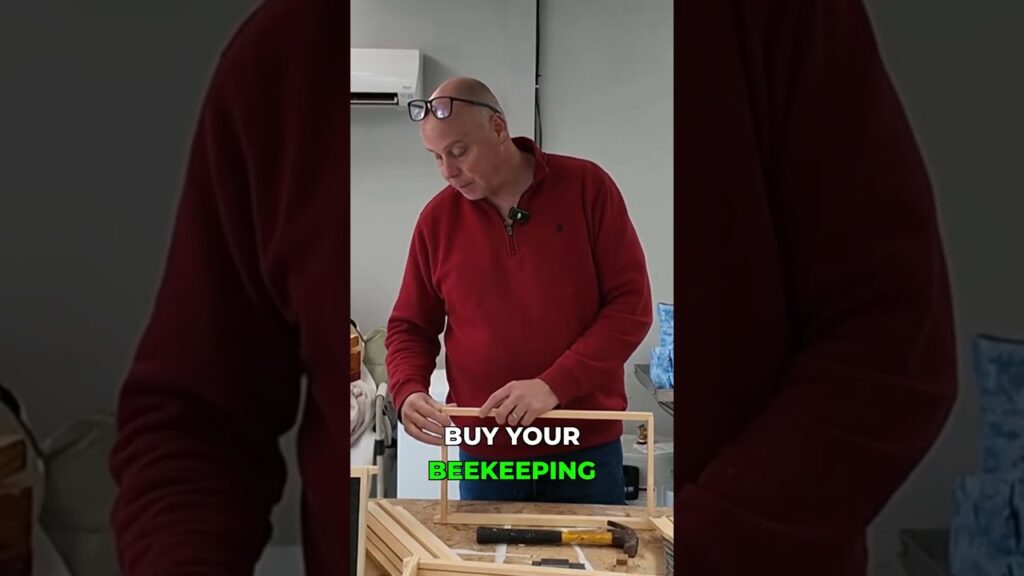


New Beekeepers Only! Let’s chat and assemble a hive, and look over common tools!
Resources:
Maybee Hives: https://www.maybeehives.com/
Take Ray’s Beekeeping Course Here: https://www.honeytopbees.com/rays-beginner-video-course/
Visit the Honey Top Bees Store: www.honeytopbees.com
Are you a new beekeeper getting ready to assemble your first hive? In this video, we walk through how to assemble a beehive step-by-step and share practical advice every beginner beekeeper needs to know before installing bees.
Whether you’re setting up a Langstroth hive, preparing for your first package of bees, or just getting started in backyard beekeeping, this guide will help you understand hive components, proper box alignment, and common mistakes to avoid.
In this video, you’ll learn:
✔️ Basic hive components and what each part does
✔️ How to assemble a bee hive correctly
✔️ Tools you’ll need for hive setup
✔️ Beginner beekeeping tips
✔️ Common hive assembly mistakes to avoid
If you’re starting your beekeeping journey, this video will help you build confidence before your bees arrive.
Beekeeping is rewarding — but getting your hive set up properly from the beginning makes all the difference.
👉 Subscribe for more practical beekeeping tips, hive management strategies, swarm control advice, and honey production guidance.
#Beekeeping #BeginnerBeekeeper #HiveAssembly #BackyardBeekeeping #LangstrothHive #HoneyBees #NewBeekeeper

TITLE IDEAS:
Spring Equalization: How to Balance Your Beehives for Success
The “Why” and “How” of Spring Equalization
Prevent Swarming & Boost Weak Hives with Spring Equalization
Master Beekeeper Tips: Equalizing Bee Hives in Early Spring
Don’t Let Your Strong Hives Swarm! Try Spring Equalization
Spring is a critical time for beekeepers as colonies emerge from winter at different strengths. In this video, Ray Hewitt, a certified Master Beekeeper, explains the principles of spring equalization. Learn why balancing your hives can help prevent swarming in strong colonies and provide a much-needed boost to weaker ones.
We cover the essential rules for equalization, including the temperature requirement (60°F or above) and the 3-frame rule for your weaker hives. You’ll also see two effective methods for balancing resources: moving capped brood and the location swap method.
Ray demonstrates how to find and safely mark a queen before transferring resources, ensuring your colonies stay healthy and productive throughout the season.
What You’ll Learn:
The Importance of Equalization: Why you should balance your hives in early spring.
Rules for Success: Critical guidelines for temperature and hive strength before you begin.
Two Methods for Balancing: How to move capped brood or swap hive locations to equalize your apiary.
Master Beekeeper Tips: How to find and mark your queen to prevent accidental loss during the process.
Resources for Beekeepers:
Take Rays Beekeeping Course Here: https://www.honeytopbees.com/rays-beginner-video-course/
Visit our Store: www.honeytopbees.com
Video Timestamps:
0:00 – Introduction to Spring Equalization
1:13 – Why Equalize Your Hives?
2:20 – Rule #1: Temperature Requirements
3:02 – Rule #2: The 3-Frame Rule
4:10 – Identifying Donor and Receiver Hives
5:40 – The Location Swap Method
6:32 – Step-by-Step: Finding and Marking the Queen
11:42 – Method: Moving Frames of Capped Brood
14:07 – Summary and Final Tips
#Beekeeping #SpringEqualization #HoneyTopBees #MasterBeekeeper #HiveManagement #BeeSwarmPrevention #BackyardBeekeeping

Are you tired of losing your hive notes to the wind and rain, or struggling to track your colony’s progress over time?
Order online at https://www.honeytopbees.com/psk
Summary: In today’s video, Ray Hewitt unboxes and tests a brand-new solution from Germany: the PSK Beekeeping Record Card system. This unique system combines a rugged, pin-based physical board that stays on your hive with a powerful mobile app that scans your data and automatically generates progress graphs.
What we cover in this video:
Unboxing the PSK System: See exactly what comes in the box, from the mounting options (screws vs. Velcro) to the 15-pin tracking system.
Field Demonstration: Watch how easy it is to record hive number, colony strength, brood status, and queen details—including her age based on the international color code.
The App Experience: We show you the “secret sauce”—how the app scans the physical card to create a digital history of your hive’s health and food stores.
Pros & Cons: Ray shares his expert opinion on what’s missing (like mite counts) and how it compares to other methods like Post-it Notes or the Queenright Dial.
Join the Conversation: We are considering becoming a U.S. distributor for this system and would love your feedback!
Would you use a system like this in your apiary?
Do you think the app integration is a game-changer for small-scale beekeepers?
Let us know in the comments!
Learn more about Honey Top Bees: Visit us at www.HoneyTopBees.com for honey, bees, classes, and more beekeeping gear.
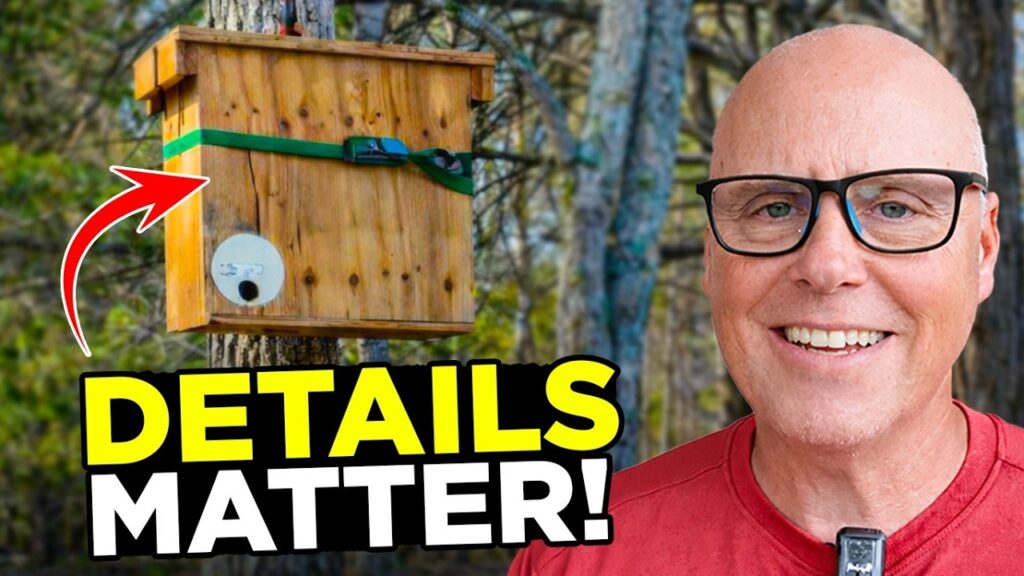
Are you ready for swarm season? In this video, Ray from Honey Top Bees breaks down the essential “rules” for setting up swarm traps that actually work. From the ideal 40-liter volume to the perfect mounting height, we cover the science and the art of catching wild honeybee swarms.
Whether you are a beginner or looking to refine your pro setup, these tips on lures, old comb, and timing will ensure your boxes aren’t left empty this spring.
Key Topics Covered:
The 40-liter “Sweet Spot” for trap volume.
Why 10-15 feet is the magic height for scouts.
Using lemongrass oil and old brood comb as the ultimate lures.
Strategic placement: Shade vs. Sun.
The best time of year to get your traps in the air.
Need to Learn? Take Rays Beekeeping Course Here: https://www.honeytopbees.com/rays-beginner-video-course/
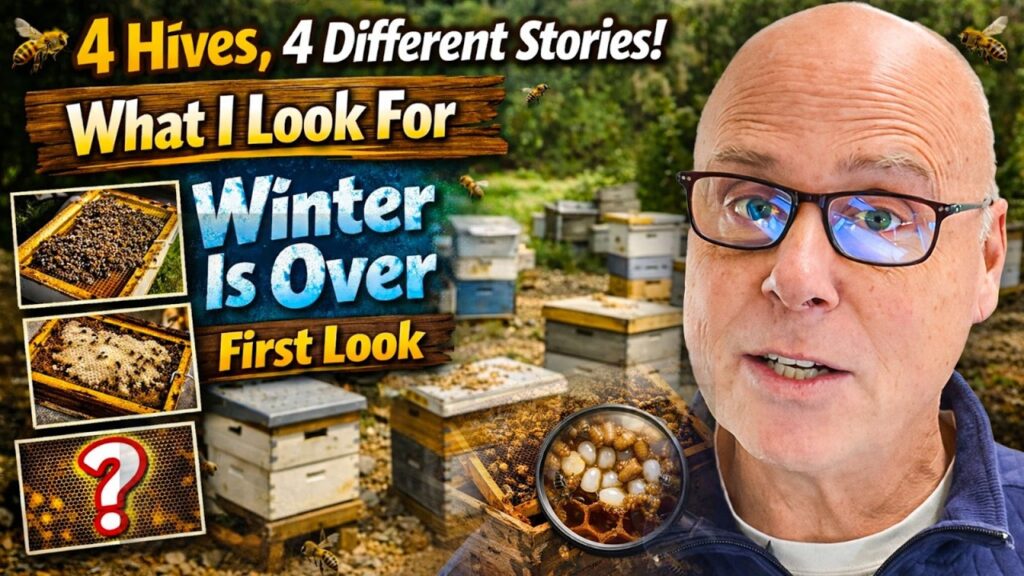
Despite a bee sting to the eye, Master Beekeeper Ray shares crucial beekeeping tips for the first hive inspection after winter. He details what to look for to ensure the health and well-being of honeybees, especially after overwintering bees. This hive inspection is vital for successful beekeeping.
Join Ray Hewitt, a University of Florida Certified Master Beekeeper, for the first deep-dive hive inspection of 2026. Winter has finally broken here in South Carolina, with temperatures hitting the low 70s—the perfect time to check our colonies’ progress!
In this video, we walk through a late winter hive inspection:
Queen Status: Are they laying eggs? (Spoiler: One hive might be in trouble!)
Brood Patterns: Checking for early spring larvae and capped brood.
Food Stores: Ensuring they haven’t run out of fondant or honey.
Hive Health: Performing an alcohol wash mite test on our most aggressive colony.
Action Taken: Feeding sugar water and transferring frames to save a potential queenless hive.
Whether you’re a seasoned pro or just starting your beekeeping journey, see what a Master Beekeeper looks for to ensure a prolific honey season.
Follow us for more beekeeping tips:
Subscribe for weekly updates!
Join the Beekeeping Mentoring Club at www.honeytopbees.com
#Beekeeping #MasterBeekeeper #HoneyTopBees #SpringBeekeeping #BeeHiveInspection #MiteTest #HoneyBees #SouthCarolinaBees

Master Beekeeper Ray Hewitt from Honey Top Bees provides a comprehensive, step-by-step guide to performing a Demaree Vertical Split. This essential swarm management technique allows beekeepers to prevent swarming while keeping the foraging force intact to maximize honey production.
Key topics covered in this tutorial include:
Understanding the Goal: Why the Demaree method is one of the most effective ways to double your honey yield.
Step-by-Step Setup: How to correctly manipulate the brood boxes, find the queen, and use a queen excluder to separate the colony.
Frame Management: Which frames to move to the top box and which to keep in the bottom to simulate a natural swarm.
Maintenance & Timing: Critical follow-up actions to take 7–10 days after the split to ensure success.
Whether you are looking to increase your hive count or simply want to stop a colony from swarming during the nectar flow, this masterclass provides the practical expertise needed to master the Demaree method.
In this video, we explore the Demaree method, a powerful beekeeping technique designed to maximize honey production while implementing effective swarm prevention strategies. We’ll show you how to manage your hives efficiently to ensure a healthy honeybee colony. Learn the best practices for bee colony management to keep your bees thriving.

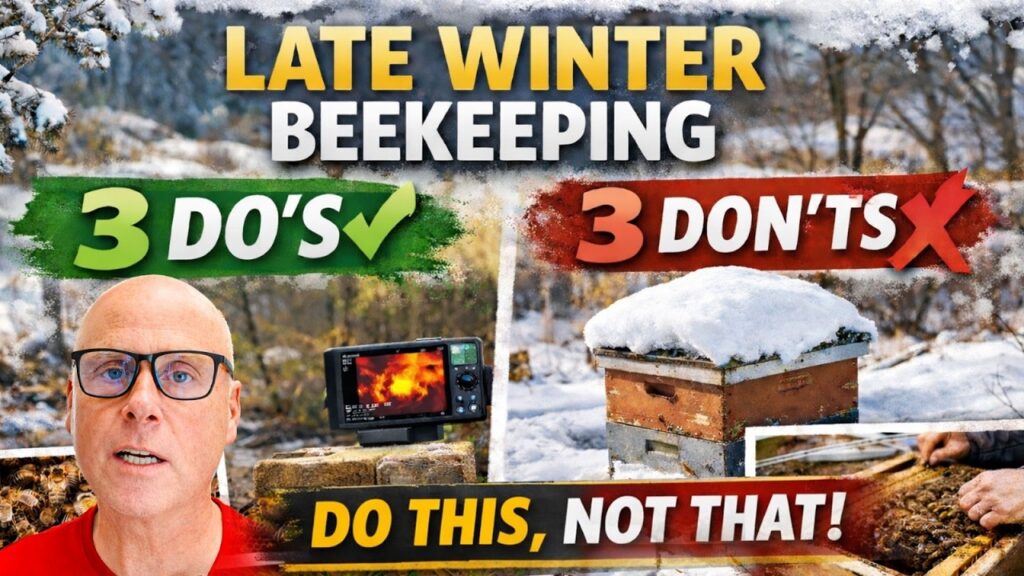
Is your bee colony ready for spring, or are they on the brink of starvation? Join Master Beekeeper Ray Hewitt from Honey Top Bees in Chapin, SC, as he shares the 3 essential Do’s and 3 critical Don’ts for late winter hive management. Don’t be fooled by the melting snow—this is the most dangerous time of year for your honeybees!
In this video, you’ll learn:
How to check if your bees are alive without opening the hive (including using a thermal camera!).
The “heft test” for checking food stores.
When to feed fondant vs. sugar water.
The danger of opening hives and swapping boxes too early.
How to clear hive entrances to prevent colony loss.
0:00 – Introduction: The Dangers of Late Winter
0:53 – Do #1: Checking if the Bees Made It
2:13 – Using a Thermal Camera for Hive Inspections
3:13 – Do #2: Assessing Food Stores (The Heft Test)
4:41 – Do #3: Cleaning Out Hive Entrances
6:00 – Don’t #1: Opening the Hive Too Early
7:06 – Don’t #2: Feeding Sugar Water Too Soon
8:35 – Don’t #3: Swapping Boxes Too Early
10:30 – Final Tips for Spring Success
#Beekeeping #HoneyTopBees #WinterBeekeeping #MasterBeekeeper #HiveManagement #Honeybees #BeekeepingTips #SaveTheBees